


/
Languages:
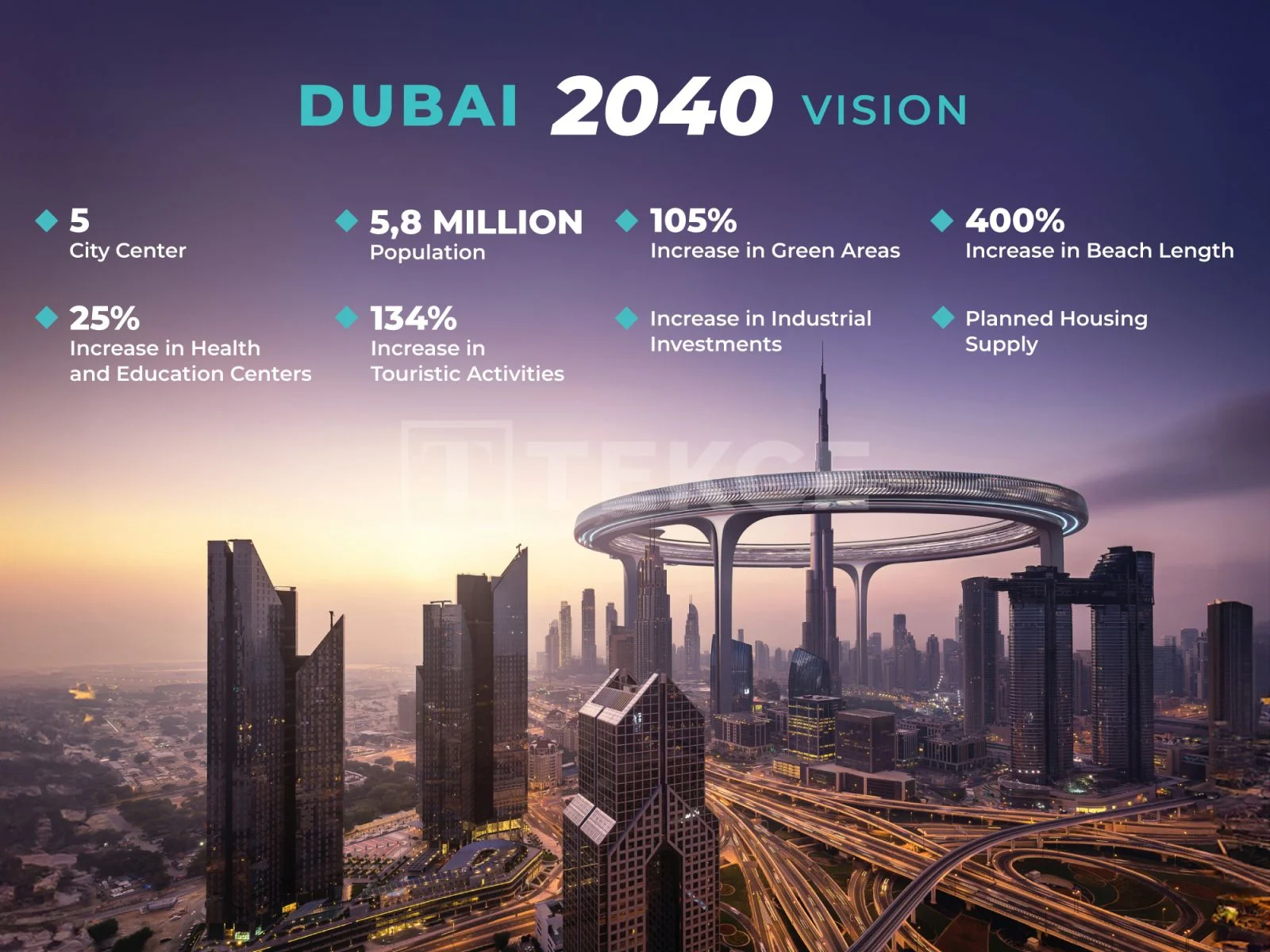
Dubai 2040 Urban Master Plan: What It Means for Property Buyers
Dubai’s 2040 Urban Master Plan isn’t just a city blueprint—it’s a property value roadmap. Discover which neighborhoods are positioned to outperform, why, and how to buy smarter today.
Dubai doesn’t just build skylines—it builds futures. The Dubai 2040 Urban Master Plan isn’t a distant vision; it’s a legally backed, infrastructure-first blueprint already reshaping the city’s growth trajectory. For property buyers, this means one thing; appreciation will follow planning, not just hype.
Here’s where long-term urban strategy is quietly moving the needle—and how to position yourself today.
The Blueprint behind the Boom
The 2040 plan rests on five interconnected pillars:
1. 5 Urban Centers (Downtown, Dubai Marina, Deira/Bur Dubai, Dubai Silicon Oasis, Expo City/Dubai South)
2. 60% Green & Public Spaces by 2040
3. Transit-Oriented Development (Metro expansions, tram links, pedestrian corridors)
4. Sustainable & Smart Infrastructure
5. Mixed-Use, Walkable Communities over car-dependent sprawl
Translation? Property values won’t just follow marketing anymore. They’ll follow access, livability, and government-backed infrastructure
5 Planning Shifts That Will Move the Needle on Property Values
Shift | Why It Drives Appreciation |
Metro & Transit Proximity | Properties within 800m of new stations historically command a 15–25% premium within 3–5 years of operation. |
Green & Lifestyle Corridors | Global data shows 10–15% price uplift for homes near certified parks, waterfront promenades, and pedestrian zones |
Mixed-Use Urban Centers | Live-work-play districts reduce commute friction, attract long-term residents, and stabilize rental yields. |
Airport & Logistics Expansion | Al Maktoum International Airport’s scale-up will drive 1M+ jobs, fueling housing demand in southern corridors. |
Heritage & Cultural Revitalization | Deira & Bur Dubai’s pedestrianization and tourism upgrades are unlocking undervalued stock with high upside. |
Where the Money Will Flow: Areas Positioned to Outperform
Not all Dubai neighborhoods are created equal. Here’s how the 2040 plan is redrawing the appreciation map:
1. Dubai Creek Harbour vs. Dubai South
- Creek Harbour : Premium waterfront positioning, direct metro link to Downtown, iconic tower ecosystem.
Why it appreciates: Lifestyle scarcity + institutional backing. Ideal for stable 6–8% annual growth.
- Dubai South : Expo City legacy, Al Maktoum Airport expansion, logistics/aviation jobs.
Why it appreciates: Demographic influx + affordable entry points. Higher short-term volatility, but 10–15% upside over 5–7 years as infrastructure matures.
2. Deira & Bur Dubai (The Heritage Play)
Often overlooked, these historic cores are slated for pedestrian-friendly upgrades, cultural zones, and metro integration. Think Lisbon or Barcelona’s old quarters: undervalued today, highly sought-after tomorrow. Entry prices sit 30–40% below new-build averages, making them a strong value play as walkability improves.
3. Dubai Hills Estate & MBR City
Already mature, but the 2040 plan doubles down on their green-space ratio, school/retail integration, and family-centric design. These areas won’t see explosive spikes, but consistently deliver steady 5–7% annual appreciation with rental yields of 5.5–6.5%. The blue-chip stocks of Dubai real estate.
4. JVC & Al Furjan (The Mid-Market Engine)
Targeted under the plan’s affordable housing push, these communities benefit from new RTA bus corridors, school expansions, and retail hub upgrades. High tenant demand keeps yields attractive (6–7.5%), while gradual infrastructure maturation drives capital growth. Ideal for buy-to-hold investors seeking cash flow + moderate appreciation.
What Smart Buyers Are Doing Right Now
1. Buy the Map, Not the Marketing
Cross-reference developer claims with RTA project timelines, DLD master plan overlays, and actual ground progress. Infrastructure announcements are leading indicators; brochures are lagging ones.
2. Prioritize “Walk-to-Transit” Radius
Properties within 10 minutes’ walk of confirmed metro stations or major transit interchanges historically outperform car-dependent communities by 12–18% over a decade.
3. Think 5–10 Years, Not 18 Months
The 2040 plan is a marathon. Short-term flippers chase hype; long-term holders compound value. Align payment plans with construction milestones to reduce risk.
4. Diversify Across Tiers
Allocate 60% to core urban centers (stable growth), 30% to emerging corridors (higher upside), and 10% to heritage/value plays (asymmetric risk/reward).
5. Verify Developer Track Records & RERA Compliance
Master-planned areas attract both visionary builders and speculative players. Stick to RERA-registered projects with escrow accounts and proven delivery history.
The Bottom Line
Dubai 2040 isn’t waiting for 2040—it’s already in the ground. The biggest gains won’t come from the priciest postcodes, but from areas where master planning meets on-the-ground execution.
The window to buy ahead of full infrastructure rollout is still open, but it’s closing fast.
Ready to invest?
The future isn’t just being built. It’s being priced in. Are you buying ahead of it?
Discover what the Dubai Land Department (DLD) and RERA do to protect real estate buyers in the UAE. Learn about escrow accounts, Oqood registration, and safe investing.
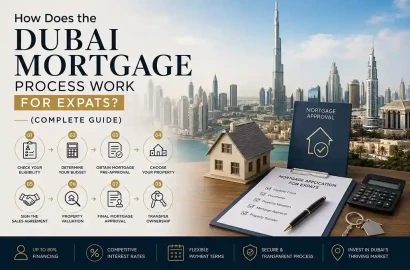
Learn how the Dubai mortgage process works for expats in 2026. Discover eligibility, LTV ratios, interest rates, required documents, costs, and expert tips for securing a home loan.

 What Is the Dubai Land Department (DLD)? Buyer Rights & Protection Guide
 How Does the Dubai Mortgage Process Work for Expats? (Complete Guide)
 What Is Freehold vs Leasehold in Dubai? Key Differences Explained
 How to Buy Property in Dubai as a Foreign Investor Golden Visa Requirements & Step-by-Step Guide